Absorption

Grief is a separate class of emotion.

No, it’s a bundle of many emotions

all vying for attention,

sometimes at the same time

and sometimes at different times.

Grief is a new layer of skin.

For awhile, it’s the surface layer.

Over time, it works its way into our being,

no longer the layer closest to the nerve endings,

but a new part of who we are in the world.

If we absorb it fully,

the pain, anger, denial, and sorrow transform

into reminiscence,

gratitude,

and a sweet sadness

that comforts a bit more

than it hurts.

The Spring Sun is Different

The spring sun is different from the summer sun.

The sun in summer is omnipotent, omnipresent.

There is no escape from the relentless oven of the summer sun.

It WILL find you. It WILL burn you.  It WILL roast you.

A July sun in Tennessee is like being wrapped in a wool blanket

over a turtleneck in a sweat lodge.


The spring sun is different from the fall sun.

October evenings the sun is waving goodbye

from a place in the sky that seems farther away.

It is the recessing sun, the melancholy light of days gone by.

Its passing is honored by the momentary capture of its essence in a backyard fire pit

on a jacket night, under moons full or waxing or most likely waning.

The fall sun sits on the flatlands of West Tennessee and

sizzles its final goodbye as it sinks into the Father of Waters.


The spring sun is different from the winter sun.

January can be so dreary and damp.

The winter sun is often absent entirely.

They say it’s still up there, beaming as always behind a thick cover of clouds,

but I don’t always believe it.

It’s a good thing the red and green of Christmas happens in winter,

otherwise a Tennessee yule would be nothing but grey.


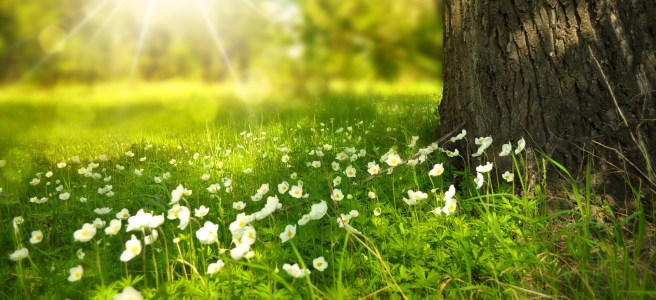
The spring sun beckons like an invitation.

It doesn’t burn; it warms.   It doesn’t kill; it enlivens.

The spring sun has a different light altogether,

one that brings promise and joy and flowers.

We are reminded that life goes on.

We are reminded that we go on.

The spring sun is different.

Snow Day

I had a great idea for a poem,

A succinct nugget of insight

which summarized and symbolized

and synthesized

One of the secrets of life.


It was so profound and moving

and true at the core,

I didn’t write it down.

I knew I would remember.

I didn’t.


So, I can’t share it with you.

I can only believe it

still lives somewhere in me,

Somwhere currently incommunicado

with my conscious mind,

and that it can teach me

what I don’t remember

but need to learn.

Food for Future Years

(A poem inspired by William Wordsworth’s

“Lines Composed a Few Miles Above Tintern Abbey”)

Today I lectured on Wordsworth.

“Lectured” – pshaw!

I strutted and crowed and danced on the balls of my feet.

I pathetically attempted to convey the ebullience

that eddied through my softened heart

in much the same way that the poet seemed to reach beyond his reach

to corral with words that moment when we

“see into the life of things.”

I spoke of nature and meditation

and the place of wisdom that lives beyond consciousness.

I stretched synonyms and cajoled imagery

to see if any words were worth

the moment of experience

when soul touches soul,

mind touches nature,

all that is touches all I am.

I lifted my arms, my eyes, my voice,

as I tried to carry a roomful

of baby scholars

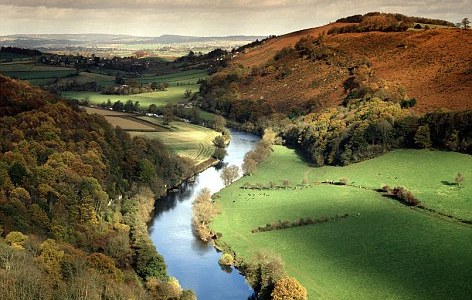
to the banks of the River Wye.

I engaged every descriptive power

I have ever possessed

to give them just a whisper of an idea

about the presence, the sense, the spirit

which lives in the blissful moment of

pure connection,

and which the poet

dared to attempt to explain

though he knew better than all of us

how futile that effort would surely be.

I tried.  Oh, how I tried.

And then I looked at the rows of faces,

some blank and unreadable,

but some smiling, some nodding,

some radiating the knowing,

and I knew.

I had not transported them to Tintern Abbey.

We had traveled together to this moment,

a moment of pure connection,

that the poet would reach beyond reach

to dare to attempt to explain.